Disease outbreaks will increase as per ZetaTalk
Taking Sick
On Jan 15, 1998 ZetaTalk stated that Illness will increase as Planet X approaches. Zetas right again !!!
- ZetaTalk: Take Sick, written Feb 15, 1998.
- Increasingly, as the pole shift nears, the populace will take sick. This will take the form of known illnesses occurring more frequently, seemingly depressed immune systems, but will also appear as new and puzzling illnesses not seen before in the memory of man. What is going on here?
The changes at the core of the Earth that have resulted in El Nino weather patterns and white buffalo and deformed frogs also affect man. The germs are on the move. Their carriers are on the move. And thus humans are exposed to diseases that are so rare as to be undocumented in medical journals.
You will see increasing illness, odd illnesses, microbes that travel because an insect is scattering about and spreading germs in places where it normally doesn't travel. 90% of all the illness and distress you're going to see is a natural situation, a natural occurrence. Because of the changing, swirling in the core of the Earth, and this will continue to up-tick until the pole shift.
And reiterated in 1999
- ZetaTalk: Next 3 1/2 Years, written Sep 15, 1999.
- Sickness will slightly increase from where it is today. There is a lot of illness now because people who are already unstable are unable to take the turmoil caused by the increased emanations from the Earth. Some of them have simply sensed what is coming and have decided to die. This is true of animals as well as humans. Sickness will increase, but not to the point where it is going to get exponentially worse.
On Feb 2, 2000 a Washington report confirmed this increase, and published concerns were subsequently reported.
- Diseases From Around World Threatening U.S.
Reuters, Feb 2, 2000 - 30 New Diseases Make Global Debut
At least 30 previously unknown diseases have appeared globally since 1973, including HIV, AIDS, Hepatitis C, Ebola haemorrhagic fever and the encephalitis-related Nipah virus that emerged in Indonesia. Twenty well-known infectious diseases such as tuberculosis, malaria, and cholera have re-emerged or spread since 1973. - Is Global Warming Harmful to Health?
Scientific American, August 2000 - Notably, computer models predict that global warming, and other climate alterations it induces, will expand the incidence and distribution of many serious medical disorders. Disturbingly, these forecasts seem to be coming true.
And since this time, SARS and increased incidence of flesh eating disease,
and entire cruise ships regularly returning to port with the passengers ill with stomach flu have been reported.
Depressed immune systems?
Zetas RIGHT Again!
After the pole shift, there will be many opportunistic diseases that will afflict mankind. This does not require an imagination, as today they afflict mankind after disasters. The primary affliction will be from sewage laden water, which will pollute the drinking water man is forced to use. We have been adamant about mankind distilling their drinking water after the pole shift for this reason. Distillation removes heavy metals as well as killing microbes by the boiling process. Any disease that flourishes in malnourished bodies and in areas of poor hygiene will take advantage of the pole shift disasters. Scurvy due to lack of Vitamin C will occur, with bleeding gums and even death if not corrected. Many weeds are high in Vitamin C and survivors should arm themselves with knowledge about the vitamin content of weeds. Unprotected sex by survivors either taking advantage of the weak, as in rape, or by simple distraction and grief and a lack of contraceptive devices will spread AIDS and hepatitis. Morgellons, which is caused by a synergy of parasites and microbes when the immune system is low will likely increase. There will be outbreaks of diseases which were endemic in the past, such as small pox or measles, but in those survivor communities where the members have been immunized in the past these will be limited and quarantines can help in this regard.
http://www.zetatalk5.com/ning/20no2010.htm
Chile battles youth unrest and typhoid fever outbreak
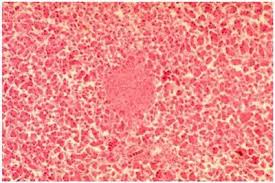 September 15, 2011 – SANTIAGO – Chile’s problems dealing with youth unrest over slow education reforms are being compounded by concerns the capital may be in the grip of a typhoid fever outbreak. The government has battled to enforce restraint on law enforcement agencies amid angry student-led protests, which have disrupted urban centers across the country for more than a month. The reforms demanded by youth groups are nowhere near being implemented and protests continue to simmer with support from teachers and workers unions. Now authorities are faced with the more immediate risk of typhoid. Health authorities issued repeated alerts for tougher hygiene checks and controls after they found several people infected and seriously ill with typhoid in the western metropolitan area of Santiago. At least seven cases were confirmed by the Public Health Institute but there were no immediate reports of fatalities. “Typhoid fever is an acute infectious disease triggered by a salmonella bacteria strain,” Institute Director Maria Teresa Valenzuela said. In most cases the infection is caused by consumption of contaminated food and drink or fruit and vegetables grown in areas where contaminated water is used in irrigation. Typhoid fever produces symptoms of high fever, diarrhea or intense headaches. The Santiago region has been prone to typhoid outbreaks since the 1990s when incidence of the disease caused up to 190 cases a year.
http://theextinctionprotocol.wordpress.com/2011/09/15/chile-battles...
Epidemic Hazard in India on Saturday, 17 September, 2011 at 03:16 (03:16 AM) UTC.
| Description | |
| The Department of Health and Family Welfare has informed that it had received a message through telephone on 12th September 2011 of an outbreak of fever of unknown cause leading to three deaths at Poilwa village, Peren District. Immediately the State Rapid Response Team (RRT) of Integrated Disease Surveillance Project (IDSP), Nagaland, comprising of Dr. John Kemp (State Surveillance Officer), Dr. Sao Tunyi (Epidemiologist), Dr. Kevisevolie Sekhose (Epidemiologist), and Venezo Vasa (Entomologist) conducted an outbreak investigation at Poilwa village. The team collected three samples from suspected cases out of which all the three were tested positive for Scrub Typhus. Till date, there are 9 cases with 3 deaths. This was stated in a official press note issued by Dr. Imtimeren Jamir, the Principal Director, Directorate of Health & Family Welfare, Kohima. Scrub Typhus is Rickettsial disease caused Orientia tsutsugamushi and transmitted by the bite of mite called Leptotrombidium deliense. In Nagaland, it was formerly detected by IDSP with Central Surveillance Team at Longsa village Mokokchung in 2006, and in Porba village of Phek District in 2007. The State RRT team carried out the outbreak investigation along with doing and entomological survey. The patients were treated with appropriate medicines and awareness and preventive measures were communicated with the villagers. The concerned local health authorities and programs are informed for further necessary action. The mop-up operation is being carried out by the National Vector Borne Disease Control Program. | |
| Biohazard name: | Typhus (Scrub) |
| Biohazard level: | 3/4 Hight |
| Biohazard desc.: | Bacteria and viruses that can cause severe to fatal disease in humans, but for which vaccines or other treatments exist, such as anthrax, West Nile virus, Venezuelan equine encephalitis, SARS virus, variola virus (smallpox), tuberculosis, typhus, Rift Valley fever, Rocky Mountain spotted fever, yellow fever, and malaria. Among parasites Plasmodium falciparum, which causes Malaria, and Trypanosoma cruzi, which causes trypanosomiasis, also come under this level. |
| Symptoms: | - After bite by infected mite larvae called chiggers, papule develops at the biting site which ulcerates and eventually heals with the development of a black eschar. - Patients develop sudden fever with headache, weakness, myalgia, generalized enlargement of lymph nodes, photophobia, and dry cough. - A week later, rash appears on the trunk, then on the extremities, and turns pale within a few days. - Symptoms generally disappear after two weeks even without treatment. - However, in severe cases with Pneumonia and Myocarditis, mortality may reach 30% Diagnosis - The most commonly used test for diagnosis is Wel-Felix Test, which is available at State IDSP laboratory, Kohima. - More specific serological tests like detection of IgM can also be done for diagnosis. |
| Status: | confirmed
|
Turns out, the plague isn't just ancient history. New Mexico health officials recently confirmed the first human case of bubonic plague — previously known as the "Black Death" — to surface in the U.S. in 2011.
An unidentified 58-year-old man was hospitalized for a week after suffering from a high fever, pain in his abdomen and groin, and swollen lymph nodes, reports the New York Daily News. (Officials declined to say when the man was released from the hospital.) A blood sample from the man tested positive for the disease.
http://healthland.time.com/2011/05/10/first-case-of-bubonic-plague-...
Epidemic Hazard in USA on Saturday, 17 September, 2011 at 03:33 (03:33 AM) UTC.
| Description | |
| Umatilla County health officials today confirmed a case of plague in an adult male county resident. He may have been infected while hunting in Lake County, noted Sharon Waldern, clinic supervisor for the county’s public health department. “Lake County had two cases of human plague last year.” The man has been hospitalized and is receiving treatment, Waldern noted. “People need to realize he was never considered contagious and he started treatment fairly quickly.” Plague is spread to humans through a bite from an infected flea. The disease is serious but treatable with antibiotics if caught early, officials said. Plague can be passed from fleas feeding on infected rodents and then transmitted to humans. Direct contact with infected tissues or fluids from handling sick or dead animals can pass the disease, as well as through respiratory droplets from cats and humans with pneumonic plague, officials said in a press release. Some types are spread from person to person, but that is not the case here, Waldern said. Symptoms typically develop within one to four days and up to seven days after exposure and include fever, chills, headache, weakness and a bloody or watery cough due to pneumonia, enlarged, tender lymph nodes, abdominal pain and bleeding into the skin or other organs. Plague is rare in Oregon. Only three human cases have been diagnosed since 1995 and they all recovered. Last year two human cases of plague were diagnosed in Lake County. As far as she knows, this is the first ever incident in Umatilla County. “In this recent case it is important to stay away from flea-infested areas and to recognize the symptoms. People can protect themselves, their family members and their pets,” said Genni Lehnert-Beers, administrator for Umatilla County Health Department. “Using flea treatment on your pets is very important, because your pets can bring fleas into your home.” People should contact their health care provider or veterinarian if plague is suspected. Early treatment for people and pets with appropriate antibiotics is essential to curing plague infections. Untreated plague can be fatal for animals and people. Antibiotics to prevent or treat plague should be used only under the direction of a health care provider. Additional steps to prevent flea bites include wearing insect repellent, tucking pant cuffs into socks when in areas heavily occupied by rodents, and avoiding contact with wildlife including rodents. |
|
| Biohazard name: | Plague (Bubonic) |
| Biohazard level: | 4/4 Hazardous |
| Biohazard desc.: | Viruses and bacteria that cause severe to fatal disease in humans, and for which vaccines or other treatments are not available, such as Bolivian and Argentine hemorrhagic fevers, H5N1(bird flu), Dengue hemorrhagic fever, Marburg virus, Ebola virus, hantaviruses, Lassa fever, Crimean-Congo hemorrhagic fever, and other hemorrhagic or unidentified diseases. When dealing with biological hazards at this level the use of a Hazmat suit and a self-contained oxygen supply is mandatory. The entrance and exit of a Level Four biolab will contain multiple showers, a vacuum room, an ultraviolet light room, autonomous detection system, and other safety precautions designed to destroy all traces of the biohazard. Multiple airlocks are employed and are electronically secured to prevent both doors opening at the same time. All air and water service going to and coming from a Biosafety Level 4 (P4) lab will undergo similar decontamination procedures to eliminate the possibility of an accidental release. |
| Symptoms: | |
StatuThe Black Death: Bubonic Plague
|
confirmed http://hisz.rsoe.hu/alertmap/site/?pageid=event_desc&edis_id=EH...
|
Views: 49217
Comment
-
Comment by Starr DiGiacomo on January 21, 2020 at 5:11pm
-
http://www.thebigwobble.org/2020/01/chinese-mystery-disease-update-...
Monday, 20 January 2020
Chinese Mystery Disease Update No 3: 139 new cases of mysterious virus in two days: 3rd death: 2 cases in Thailand 1 in Japan: Actual cases now probably in the thousands, British Prof
You can't put the toothpaste back in the tube! Map RSOE
Chinese authorities have reported 139 new cases of a mysterious virus in two days, marking the first time that the infection has been confirmed in the country outside of Wuhan city. The new cases were identified in the cities of Wuhan, Beijing and Shenzhen. The total number of confirmed cases now exceeds 200, and three have died from respiratory illness. The World Health Organization (WHO) said the number of cases rose because of "increased searching and testing". The new coronavirus strain first appeared in Wuhan in December and has already spread abroad, with two cases in Thailand and one in Japan. BBC
The actual number of cases now probably in the thousands
The number of people already infected by the mystery virus emerging in China is far greater than official figures suggest, scientists have told the BBC. There have been 45 laboratory-confirmed cases of the new virus, but UK experts estimate the figure is closer to 1,700. Two people are known to have died from the virus, which appeared in Wuhan city in December. "I am substantially more concerned than I was a week ago," disease outbreak scientist, Prof Neil Ferguson, said. The work was conducted by the MRC Centre for Global Infectious Disease Analysis at Imperial College London, which advises bodies including the UK government and the World Health Organization.
Below is the summary from the disease outbreak scientist, Prof Neil Ferguson. Full Story
Spreading Risk
The impact of air travel on the spread of infectious diseases has led to considerable concern but limited study. More than 1 billion people travel by air each year. There are several important ways in which air travel can influence the global spread of emerging and established infectious disease. Infections may be spread on the aircraft through close contact and large droplets; airborne spread through small-particle aerosols, as in the case of the severe acute respiratory syndrome (SARS); or even through contaminated food. Aircraft can transport infected disease vectors, such as rats or malaria-infected mosquitoes, as nonpaying passengers. Perhaps the greatest concern for global health, however, is the ability of a person with a contagious illness to travel to virtually any part of the world within 24 h. RSOE
-
-
https://athensoracle.com/5895/news/outbreak-in-china/
Outbreak in China
Pneumonic Plague

December 17, 2019
The Bubonic plague, one of the deadliest outbreaks in history that swept over Europe and Asia in 1347 and killed 25 million people, has not made a return, but a related disease has been spotted in China called Pneumonic plague.
Pneumonic Plague has been diagnosed in three people in Beijing, two of whom were being treated in the hospital, and recently a 55-year-old man caught the disease by eating a wild rabbit. After people heard the news of the Pneumonic plague, panic started to spark among citizens.
Pneumonic plague is an infection that affects the lungs and is caused by a bacteria called yersinia pestis. There are many common symptoms including fever, headache, cough and uncommon symptoms such as chest pain and shortness of breath. Once a person is in contact with this bacteria, it will not affect them immediately, but it will take around three to seven days to experience symptoms once exposed. This disease is airborne, which means it is contracted from one person to another. In order to be infected, someone has to be in close contact with the ill person or animal. Although this form of infection is just one of three other related illnesses, such as septicemic plague and bubonic plague, pneumonic plague is more dangerous because it infects the lungs. Unlike the other illnesses that do not infect the lungs.
With the case of the 55-year-old man and the infected rabbit, this happened in inner Mongolia. Same with the two other infected patients, both also came from inner Mongolia too. “Pneumonic plague may be less famous than the bubonic form, but it’s even more deadly, and that’s what the first two patients have come down with. It’s not clear exactly how they caught it, but they didn’t catch it in Beijing,” according to Sigal Samuel, via Vox.
The patients traveled to Beijing to seek medical treatment, but the Chinese Center for Disease Control and Prevention told the residents of Beijing not to worry about the disease spreading since there is a low risk of the plague spreading and infecting someone.
“Last month, the authorities in China said they would strengthen quarantine measures to prevent the plague from entering the country after Madagascar was struck by a fast-spreading outbreak of the disease,” according to Sui-Lee Wee, The New York Times.
“Stay there, and do not spread it to the whole wide world. They should try to cure it,” said Kaniyah Lewis, freshmen.
With the recent studies about Pneumonic plague, the studies showed that the plague will be quarantined so the plague will not spread. “I hope it does not become a pandemic,” said H’nhuyen Eban, freshmen.
Although officials say that the plague was never been dispersed, everyone will have to take precautions and stay vigilant.
-
-
https://www.bignewsnetwork.com/news/263413469/dengue-kills-120-in-s...
Dengue kills 120 in Sri Lanka, affects over 87,000 others
Colombo [Sri Lanka], Dec 16 (ANI): A severe dengue outbreak has claimed the lives of at least 120 people and affected over 87,000 others across 11 districts in the island country, health officials said here on Monday.
Secretary of the Government Medical Officers Association (GMOA) Haritha Aluthge told the local Daily Mirror that the GMOA had informed new Health Minister Pavithra Wanniarachchi and the Secretary to the Ministry of Health about the seriousness of the issue as over 10 districts were affected by the rapid spread of the disease.
The continuous rains in many parts of the island were considered as one of the leading reasons for the spread of the virus.
Haritha was quoted as saying that while Colombo, Gampaha, in the outskirts of the capital city, as well as Kandy, in the central hills, were the worst affected districts, with almost 50 per cent of the total cases reported.
The case of the outbreak was reported from the Jaffna district in the northern region of the country.
In Jaffna alone, 7,000 dengue cases have been reported so far this year. Medical experts said that the number of deaths recorded so far this year was "alarming," in comparison to 58 deaths reported last year.
Medical experts further urged the people to seek immediate attention if they suffered symptoms of high fever, uncontrolled vomiting, abdominal pain, dizziness, and reduced urinary.
"All fever patients need rest and should refrain from attending work or school," said epidemiologists, adding that dengue hemorrhagic fever (DHF) can be fatal.
Medical experts also urged pregnant women to seek hospital admission immediately on the first day of fever.
Last year, over 48,000 people were affected by the mosquito-borne virus in Sri Lanka, with the National Dengue Control Unit launching several programmes to eradicate mosquito's breeding grounds in several districts of the island country.
-
-
http://outbreaknewstoday.com/mystery-disease-in-the-ivory-coast-kil...
Mystery disease in the Ivory Coast kills 28
Officials in Côte d’Ivoire (Ivory Coast) are reporting on an unidentified disease that has caused many deaths in Yeretièlé.
According to the information received at the level of the Ministry of Health and Public Hygiene, 28 people have died of this unidentified disease since July.
The Minister of Health and Public Hygiene, Eugène Aka Aouélé said they mobilized medical teams to the area to investigate.
The symptoms presented include swelling of the face and lower limbs, chest pain, abdominal bloating, general fatigue, constipation and vomiting. Thus, the Ministry of Health and Public Hygiene orders anyone with one of these signs to go directly to the nearest health center. Self-medication is not recommended to avoid unnecessary risk.
-
-
https://www.vaxbeforetravel.com/travel-alerts-burundi-issued-cdc-de...
Burundi’s Malaria Epidemic Reaches 50% of the Population
August 24 2019
Travel Alerts for Burundi issued by the CDC, Department of State, Canada, and UKAugust 23rd, 2019 – A Level 1 Travel Alert for the Republic of Burundi regarding an extensive malaria outbreak has been issued by the US Centers for Disease Control and Prevention (CDC).
This ‘Practice Usual Precaution’ Travel Alert published on August 23, 2019, said ‘the Burundi Ministry of Health reported nearly 6 million malaria cases out of a total population of approximately 12 million, with more than 1,800 related fatalities.’
And, travelers who develop a fever while in Burundi or after traveling to Burundi should seek medical care immediately. Without prompt diagnosis and treatment, malaria can rapidly progress to severe illness and death.
The CDC says travelers to Burundi should also take steps to prevent mosquito bites by using insect repellent and wearing protective clothing when outdoors.
-
-
https://hosted.ap.org/bendbulletin/article/5926e153e4b341b88ca10b35...
More than 100 children die in India in encephalitis outbreak
PATNA, India (AP) — More than 100 children have died in an encephalitis outbreak in India's eastern state of Bihar, authorities said Tuesday.
Bihar health secretary Sanjay Kumar said 106 children had died and more than 430 others between the ages of 4 and 10 were being treated at hospitals in Muzaffarpur district, 80 kilometers (50 miles) north of Patna, the state capital.
Despite the deaths, Kumar said the mortality rate among children from encephalitis, which can cause swelling of the brain, a burning fever and vomiting, had dropped to 26.5% from 34% a year ago.
Young children are particularly vulnerable to the disease.
Villagers crowded outside Sri Krishna Medical College Hospital in Muzaffarpur, where some of the sick children are being treated, to protest a visit by Bihar's chief minister, whom they accused of only coming to the area after the death toll passed 100. Left-wing political organizations also rallied in New Delhi, demanding that the Bihar government do more to prevent what has become an annual outbreak.
"This acute encephalitis syndrome has been recurring in Bihar and the government has not taken any steps. And who is dying? It is the children of the very poor," said Mariam Dhawale of the All India Democratic Women's Association.
Thousands of Indians suffer from encephalitis, malaria, typhoid and other mosquito-borne diseases each year during the summer monsoon season.
-
-
http://outbreaknewstoday.com/dengue-hemorrhagic-fever-epidemic-decl...
Dengue hemorrhagic fever epidemic declared in Thailand
June 15, 2019
Thailand’s Department of Disease Control (DDC) has officially declared a dengue hemorrhagic fever epidemic this year as there have been 28,785 patients, 43 of whom died, according to a Bangkok Post report Friday.
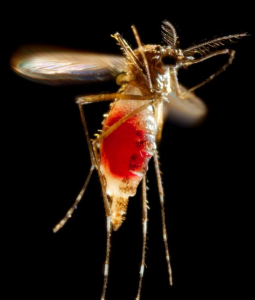
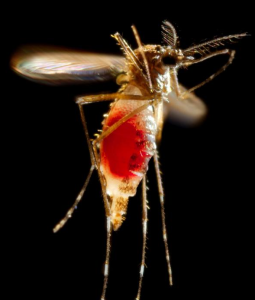
Image/CDC
The deputy director-general of the department, said that the figures were from Jan 1 to June 11, when the number of patients doubled the five-year average.
Dengue is a viral infection transmitted by the bite of an infected mosquito. There are four closely related but antigenically different serotypes of the virus that can cause dengue (DEN1, DEN 2, DEN 3, DEN 4).
- Dengue Fever (DF) – marked by an onset of sudden high fever, severe headache, pain behind the eyes, and pain in muscles and joints. Some may also have a rash and varying degree of bleeding from various parts of the body (including nose, mouth and gums or skin bruising).Dengue has a wide spectrum of infection outcome (asymptomatic to symptomatic). Symptomatic illness can vary from dengue fever (DF) to the more serious dengue hemorrhagic fever (DHF).
- Dengue Hemorrhagic Fever (DHF) – is a more severe form, seen only in a small proportion of those infected. DHF is a stereotypic illness characterized by 3 phases; febrile phase with high continuous fever usually lasting for less than 7 days; critical phase (plasma leaking) lasting 1-2 days usually apparent when fever comes down, leading to shock if not detected and treated early; convalescence phase lasting 2-5 days with improvement of appetite, bradycardia (slow heart rate), convalescent rash (white patches in red background), often accompanied by generalized itching (more intense in palms and soles), and diuresis (increase urine output).
- Dengue Shock Syndrome (DSS) — Shock syndrome is a dangerous complication of dengue infection and is associated with high mortality. Severe dengue occurs as a result of secondary infection with a different virus serotype. Increased vascular permeability, together with myocardial dysfunction and dehydration, contribute to the development of shock, with resultant multiorgan failure.
-
-
https://wsvn.com/news/us-world/brain-disease-linked-to-lychee-toxin...
Brain disease linked to lychee toxins kills 47 children in India
June 13, 2019
(CNN) — Almost 50 children have died in northern India over the past three weeks from a brain disease that has been linked to toxins in lychees.
Health authorities in the state of Bihar said Thursday that 47 children have died of acute encephalitis syndrome, which involves inflammation of the brain. Two hospitals in the city of Muzaffarpur had registered a total of 179 cases since January, they said, but the deaths occurred only in the past few weeks.
In 2013, at least 351 people died of encephalitis in the northern state of Uttar Pradesh.
“This year, the number [of cases] has gone up a bit. The heat wave has been too intense, and it has gone on for too long,” said Sanjay Kumar, a senior state health official.
The state health department has blamed hypoglycemia — low blood sugar — for the children’s deaths but said that lychee fruit, which is widely grown in the region, also plays a role.
“International experts have told us that lychee has some kind of toxin that goes and deposits in the liver of these children, and when the temperatures go up, those toxins get released,” Kumar said. “The fact is that [Muzaffarpur] is a lychee-growing area. We suspect that there is some kind of role that lychee has in the case. But it is also true that once the temperature comes down and the rains come, lychee or no lychee, there are no more cases.”
According to a study about a 2014 outbreak of encephalopathy, published in The Lancet Global Health medical journal in 2017, one of the factors can be the consumption of lychee.
Encephalopathy, or brain disease or damage, can be caused by encephalitis.
The study found that parents reported that children in affected villages spent most of the day eating lychees from nearby orchards, often returning home in the evening “uninterested in eating a meal.” Children who fell ill were twice as likely to have skipped dinner, which, according to the researchers, probably resulted in “night-time hypoglycaemia.”
The Lancet study said that when the children’s blood sugar level dropped, the body would start to metabolize fatty acids to produce a boost of glucose.
However, urine samples found that two-thirds of the ill children showed evidence of exposure to toxins in lychee seeds, found in higher levels in unripe fruits. In the presence of these toxins, “glucose synthesis is severely impaired,” the study said, leading to dangerously low blood sugar and brain inflammation.
Kumar said that the affected children “are from poor families, and they do not have sugar reserves, and they are also malnourished.”
“The liver stores glycogen. When the sugar level goes down, the liver releases extra sugar to balance it out, but if there is no extra sugar and there are only toxins, then they get released,” he said.
State officials have issued warnings across the district advising parents to ensure that children stay hydrated and do not go to sleep on an empty stomach.
Acute encephalitis syndrome causes inflammation of the brain, resulting in fever, delirium and eventually coma in most cases. Heat, malnourishment and humidity are contributing factors, according to experts.
-
-
https://www.pri.org/stories/2019-06-06/raging-tb-epidemic-papua-new...
A raging TB epidemic in Papua New Guinea threatens to destabilize the entire Asia Pacific
In a stark, white hospital room in Port Moresby, Papua New Guinea, a man named Keith spends long days quarantined in an entire wing.
Keith, in his 50s and wears a grubby T-shirt and pants and sports a long scraggly beard, is highly contagious with a rare strain of extremely drug-resistant tuberculosis.
“I’m happy I’m here,” Keith says. “I have run away [from the hospital] many times, but now I know that it is a good thing that I am here. I need to take my medication so I can get better.”
Homeless for many years, Keith doesn’t know his last name. His tattered sneakers sit neatly by the door. A poster on the wall above his sink shows a shaven Keith holding hands with Dr. Rendi Moke, the TB specialist at Port Moresby General Hospital — as if they are making a pact. It reads: “Promise: I will take my full treatment this time. So Lord, please help to do so.”
On the opposite wall, there is a simple wooden cross.
Dr. Rendi Moke, tTB specialist, Port Moresby General Hospital, Moresby, Papua New Guinea“We have to keep him isolated, we don’t have a choice. And that’s not a great solution when you desperately need hospital beds. I’m worried there will be more like him out there, who we don’t even know about."
“We have to keep him isolated, we don’t have a choice," Moke said. "And that’s not a great solution when you desperately need hospital beds. I’m worried there will be more like him out there, who we don’t even know about. We’re very keen to reduce our default rates [patients who don’t finish treatment] and increase our capacity to treat others and perform more outreach work. “But,” he adds, “to do that we need resources and manpower. And we have neither.”
In Papua New Guinea, a TB epidemic threatens to turn into a disaster that could destabilize the Asia Pacific region. Situated about 90 miles from Australia in the Pacific Ocean, the island nation sees more than 100 cases of TB every day.
Of these cases, five are drug-resistant strains, and 10 people will die, according to World Health Organization figures. Yet, in a nation where more than one-third of the population is illiterate, these figures grossly underestimate the actual number of TB cases due to underreporting. Additionally, 86% of the country’s 8 million citizens live in rural areas with little or no access to health care, further obscuring the numbers.
The government now faces a herculean task to battle the epidemic that has plagued the country. It shares the island with the separate nation of Papua, Indonesia's easternmost province, which faces a similar struggle against TB. And Australia, a close neighbor, also has cause for concern: The bacterial disease that attacks the lungs is highly contagious, expensive to treat and is rapidly developing a resistance to drugs.
The country offers a grim textbook case of how education and infrastructure impact health care: The government has neither the finances nor the resources to tackle TB as an increasingly insurmountable health crisis.
Paison Dakulala, deputy secretary of the National Health Services of Papua New Guinea“This is World War III. ...We are working incredibly hard to fight this, but we need new drugs that we don’t have. We need resources that we don’t have. And whatever we don’t do now, will come back to haunt us in the future.”
“This is World War III,” said Paison Dakulala, deputy secretary of the National Health Services of Papua New Guinea. “We are working incredibly hard to fight this, but we need new drugs that we don’t have. We need resources that we don’t have. And whatever we don’t do now will come back to haunt us in the future.”
A report published in May by the Economist Intelligence Unit warned of the consequences of failing to act against drug-resistant TB (DR-TB), calling the current response a “global failure.”
In the same month, the United Nations issued an urgent warning about the growing peril of drug-resistant infections. The report stated at least 700,000 people die worldwide each year due to drug-resistant diseases; 230,000 of those die from multidrug-resistant TB.
According to the WHO, 10 million new TB cases appeared globally in 2017 alone (though TB rates have fallen worldwide). That same year, it killed 1.6 million people, making TB the world’s deadliest infectious disease. And places like Papua New Guinea are seeing an uptick in infection rates — particularly in multi-drug resistant TB (MDR-TB) and the even more feared drug-resistant TB (XDR-TB).
This grim trend is exportable to neighboring countries.
In Papua New Guinea, TB is the leading cause of hospitalization and death. It presents a unique challenge for charities — such as Doctors Without Borders — that have established services in the country to help manage the crisis.
Paul Aia, WHO’s TB program manager, explains the difficulty in diagnosing and treating patients in a country with poor infrastructure.
“One patient received his first bout of medication, but then it took two days to track [him] down to administer the next set of drugs,” he said.
Some patients get diagnosed, and then start — but don’t finish — their drug course. That’s exactly the type of behavior that increases the likelihood of drug-resistant TB.
Obstacles and roadblocks
Many patients can only reach their nearest makeshift hospital by boat — and children have reportedly died en route to treatment after canoes capsize in choppy seas, according to aid workers.
Port Moresby, the capital, is not connected to other major towns by road, and many of the villages in the highlands can only be reached by foot or small aircraft, which is astronomically expensive. Frequent mobile cell service outages render communication a daily struggle. Several mountainous tribes still have little or no contact with the outside world.
story continues...................
-
-
https://apnews.com/e6c4a34980c549deada4f1f981cedb80
Union: LA officer gets typhoid fever, 5 others show symptoms
LOS ANGELES (AP) — A Los Angeles police detective has been diagnosed with typhoid fever, a rare illness typically spread through contaminated food or water, and at least five other officers who work in the same station are showing symptoms, union officials said Thursday.
The six officers work in the Central Division station, where a state investigation into unsafe and unsanitary working conditions led to penalties and more than $5,000 in fines earlier this month, documents show.
The division polices downtown Los Angeles, including the notorious Skid Row area where hundreds of homeless people camp on the streets. The police union says homeless encampments must be cleaned up following the recent diagnosis and other cases where officers contracted hepatitis A and staph infections.
“The last thing I need is my members coming to work worried about contracting an infectious disease and bringing it home to their families,” Los Angeles Police Protective League treasurer Robert Harris said.
The union also demanded better protective equipment for officers and called for the station to be regularly sanitized.
The Police Department said exposed areas of the Central Division were being disinfected and officials were reviewing the state’s “concerning” report that found health violations at the station.
The building lacked an effective extermination program and had “rats/rodents, fleas, roaches, flies, gnats, mosquitoes and grasshoppers,” according to the state Division of Occupational Safety and Health’s May 14 report.
The federal Centers for Disease Control and Prevention says typhoid fever isn’t
common in the U.S. but affects 22 million people annually in other countries.
It is different from typhus, which can spread from infected fleas and caused an outbreak earlier this year that sickened homeless people who live near City Hall and a deputy city attorney.
Dr. Abinash Virk, an infectious disease specialist with the Mayo Clinic, said it’s likely the officers were infected through contaminated food or drinks from the same cafeteria or restaurant.
She said homeless people could have a slightly higher risk of typhoid fever than others because of limited access to clean bathrooms or being immigrants from countries where the illness is more prevalent, but she doubted that the officers got sick from their work on Skid Row.
“You’re not just going to get it from shaking hands,” she said.
Dustin DeRollo, a union spokesman, said officers who patrol Skid Row “walk through the feces, urine and trash” — conditions that “should alarm everyone and must be addressed.”
The LAPD said it only had reports of the confirmed case of typhoid fever and two other officers showing typhoid-like symptoms. The union says five officers are showing symptoms.
“Whether the issue is bad plumbing or something else, the mayor is working with the department to get to the bottom of this situation and will take every possible step to protect the health and safety of all our employees,” Alex Comisar, a spokesman for Mayor Eric Garcetti, said in a statement.
© 2025 Created by 0nin2migqvl32.
Powered by


You need to be a member of Earth Changes and the Pole Shift to add comments!
Join Earth Changes and the Pole Shift